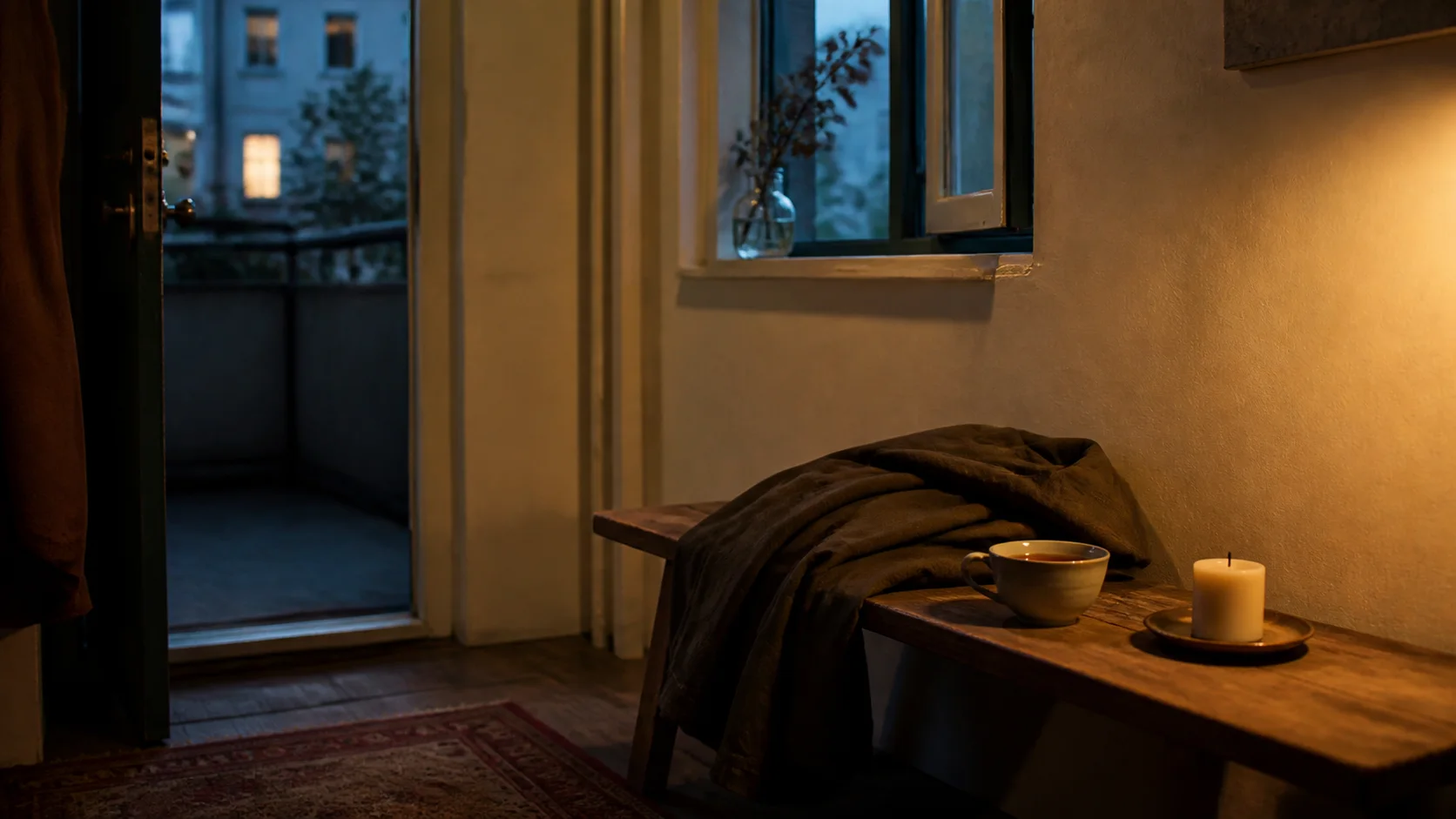
THE PRACTICE HAS CHANGED
The first sign is not that you missed a day. It is that the ritual has begun asking you to pretend.
A practice can start as a generous response to a real season: a way to close the workday, name a grief, prepare for sleep, or make space before a difficult conversation. Then life changes. The original pressure lifts, the problem moves, or your capacity becomes different. The notebook, candle, breath, walk, or object remains, but the reason for repeating it is no longer alive in the same way.
That does not make the earlier practice false. It means it did its work, or that the work now needs another form. Treating every change as inconsistency creates a strange burden: you become loyal to the evidence that you once needed help. A ritual should support attention, not demand that you remain the person who first wrote it down.
“A practice is allowed to be faithful to the present, not only to its origin.”
FRICTION OR PRESSURE
Before you retire a ritual, ask whether the difficulty is a useful edge or an unnecessary demand.
Some friction is information. A practice may feel slightly awkward because it is helping you notice something you usually avoid. Other friction is simply poor design: the ritual requires a room you never enter, a length of time you cannot give, or a version of calm that does not exist on an ordinary Tuesday. The emotional difference matters. One opens a question; the other narrows your life around a rule.
Write down what happens before, during, and after the practice. Before: do you feel rushed, numb, resistant, or curious? During: are you paying attention, repeating words mechanically, or monitoring whether you are doing it correctly? After: is there more clarity, or only relief that the obligation is over? This small record turns a vague dislike into an observation you can use.


KEEP THE PURPOSE
Keep the quality you needed; release the choreography that no longer carries it.
Name the original purpose in one plain sentence. Maybe you wanted a boundary between work and home. Maybe you wanted to notice your body before it disappeared into a screen. Maybe you wanted to make grief visible without making it public. Once the purpose is named, separate it from the exact sequence of actions. The purpose may still belong to you even when the choreography does not.
Try three edits. Shorten the practice until it fits the present schedule. Move it to a transition that actually occurs. Or change the sensory anchor: use sound instead of writing, a walk instead of sitting, a lamp instead of a timed pause. Make one change at a time so you can notice what helped. A good revision reduces performance while preserving the original care.
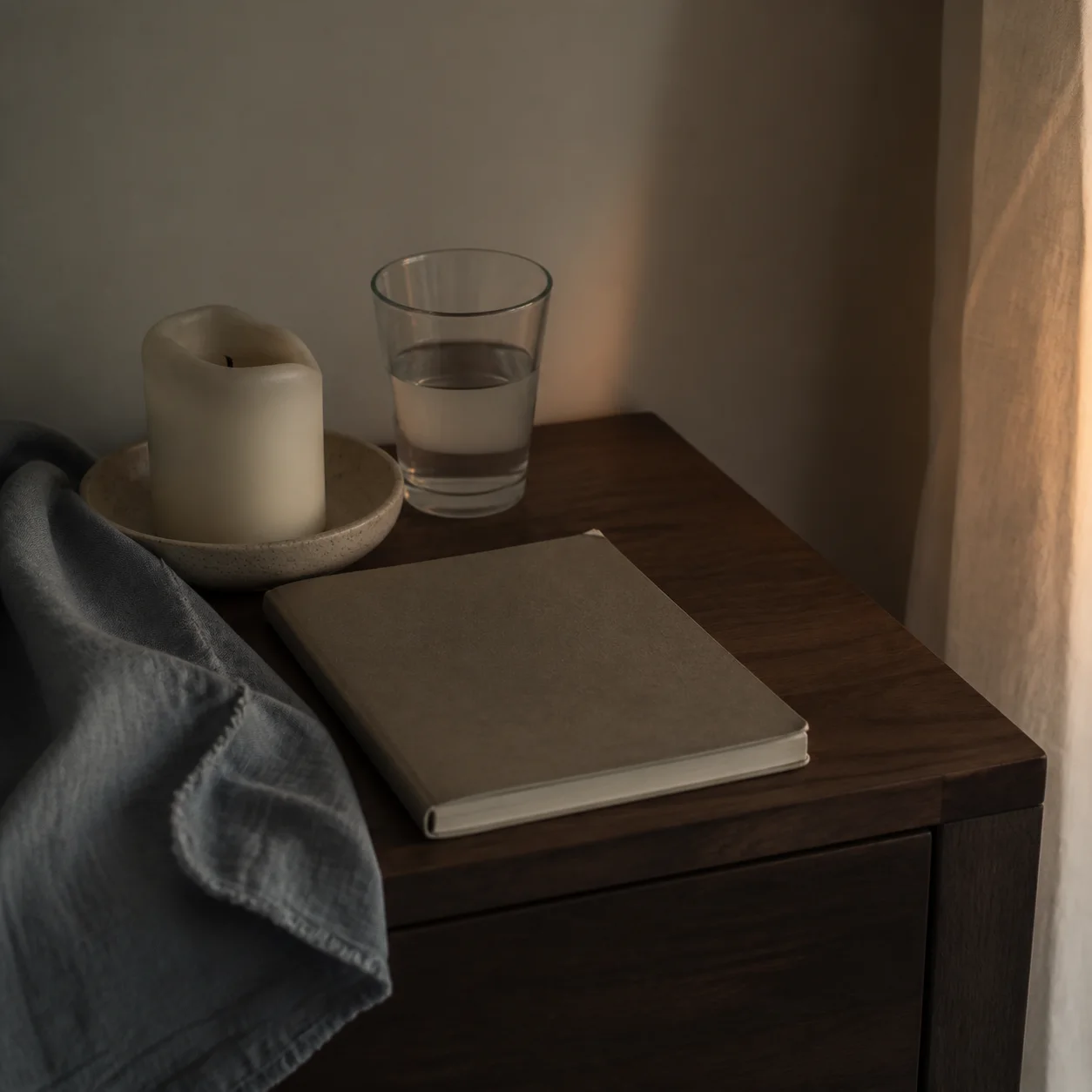
PAUSE WITHOUT PUNISHMENT
A pause is not the opposite of commitment. Sometimes it is the form that keeps commitment honest.
If a practice has become entangled with shame, stop measuring it. Put the notebook away for a week. Leave the object in a drawer. Let the evening happen without an official closing gesture. This is not a test of whether the ritual was real. It is a way to hear what remains when the instruction becomes quiet. You may miss the practice, feel relief, or discover that another need has been waiting underneath it.
There is no universal deadline for returning. Choose one if a date helps, but do not turn the date into a verdict. When you revisit the practice, begin with one question: what would make this feel like mine now? The answer may be a smaller version, a shared version, or no version at all. Autonomy is part of any ritual worth keeping.
A NEW RETURN
The most useful revision is often a practice that ends before it starts performing wisdom.
For one week, try a three-part return. First, name the transition you are in: arriving, leaving, beginning, or closing. Second, notice one fact without interpreting it: the room is warm, the train is late, the shoulders are tight, the light has changed. Third, choose one next action that is kind and concrete. Drink water. Send the message. Turn off the screen. Leave the question until morning. The sequence takes less than a minute and leaves your life intact.
Review it at the end of the week. Did the practice help you notice a boundary? Did it make a decision more available? Did it create another place where you could fail? Keep only what answers the first two questions. The last question is not a moral judgment. It is a design signal. If the ritual creates pressure without attention, revise again or let it go.
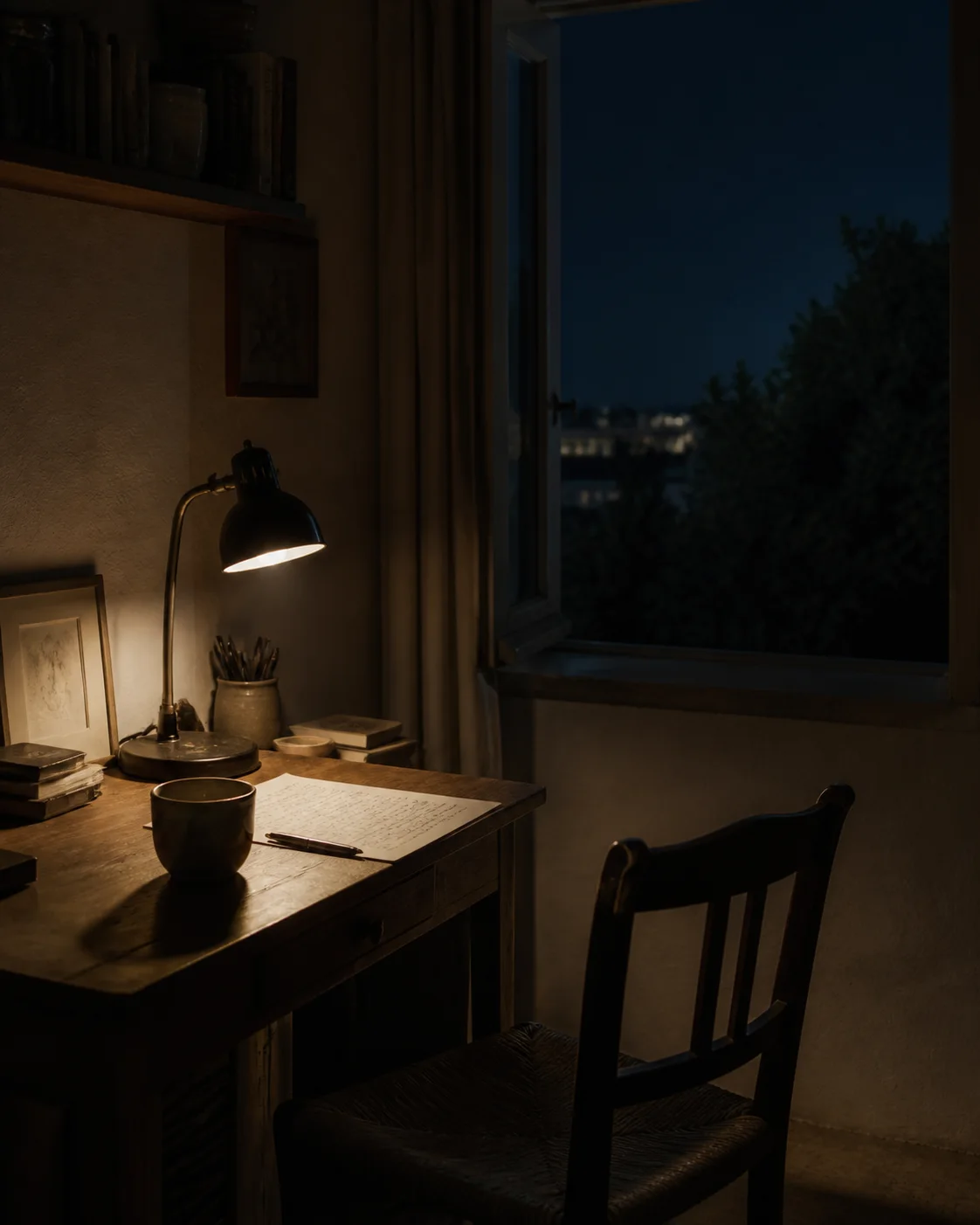
LET IT BE YOURS AGAIN
Winter Hush can belong to this quieter kind of revision: not a promise of peace, but a point of return you can redefine.
The design’s snow-white inclusions, clear light, and warm wood accent leave visual room around a small personal meaning. You might choose it for the season when you are simplifying, for the reminder to close one task before beginning another, or simply because the material feels calm beside the clothes you already wear. The piece cannot make a practice true. It can meet the hand when you decide what true means today.
Give the object permission to change with you. If an old association feels finished, do not force it back into service. Notice what new line appears when you stop demanding the old one. A ritual is not valuable because it stays untouched. It is valuable when it helps you return to a life that is actually yours, with enough flexibility to remain alive.