THE GIFT IS A CONVERSATION
A gift says something, but it should not speak over the person receiving it.
Choosing jewelry for someone else is a small act of translation. You begin with what you know about them: the colours they repeat, the pieces they already wear, the way they move through a day, and the kind of attention they actually enjoy. Then you try to turn that knowledge into an object without pretending you can define the person in one gesture.
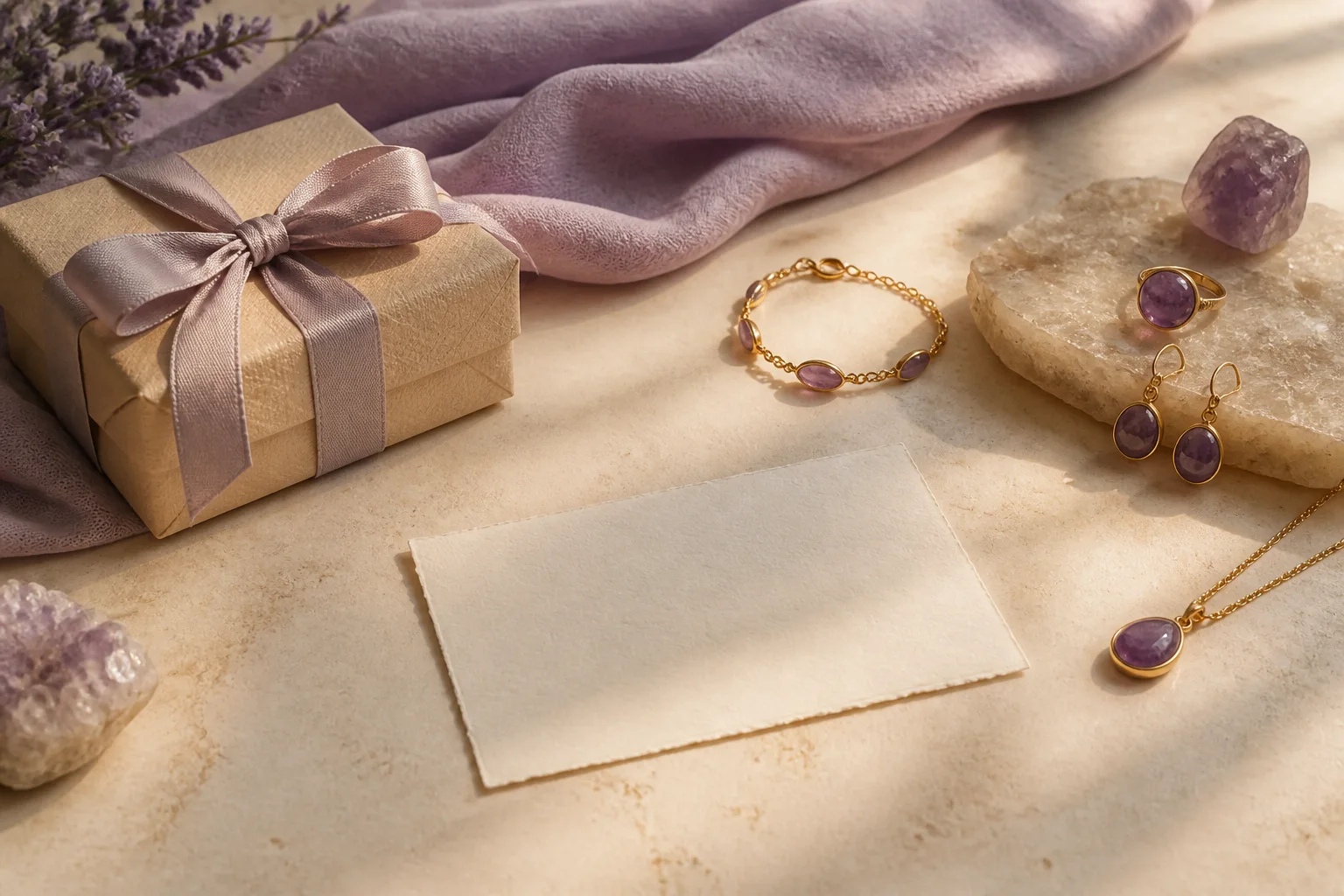
This is why meaningful gifting needs room. A bracelet can carry your care, but its final meaning will be made in the recipient's wardrobe, hand, memories, and ordinary routines. The gift becomes more generous when it offers a doorway instead of delivering a conclusion.
“Give a clear gesture, then leave the meaning open enough for another person to enter.”
START WITH THEIR WORLD
The safest aesthetic clue is what they already choose without being asked.
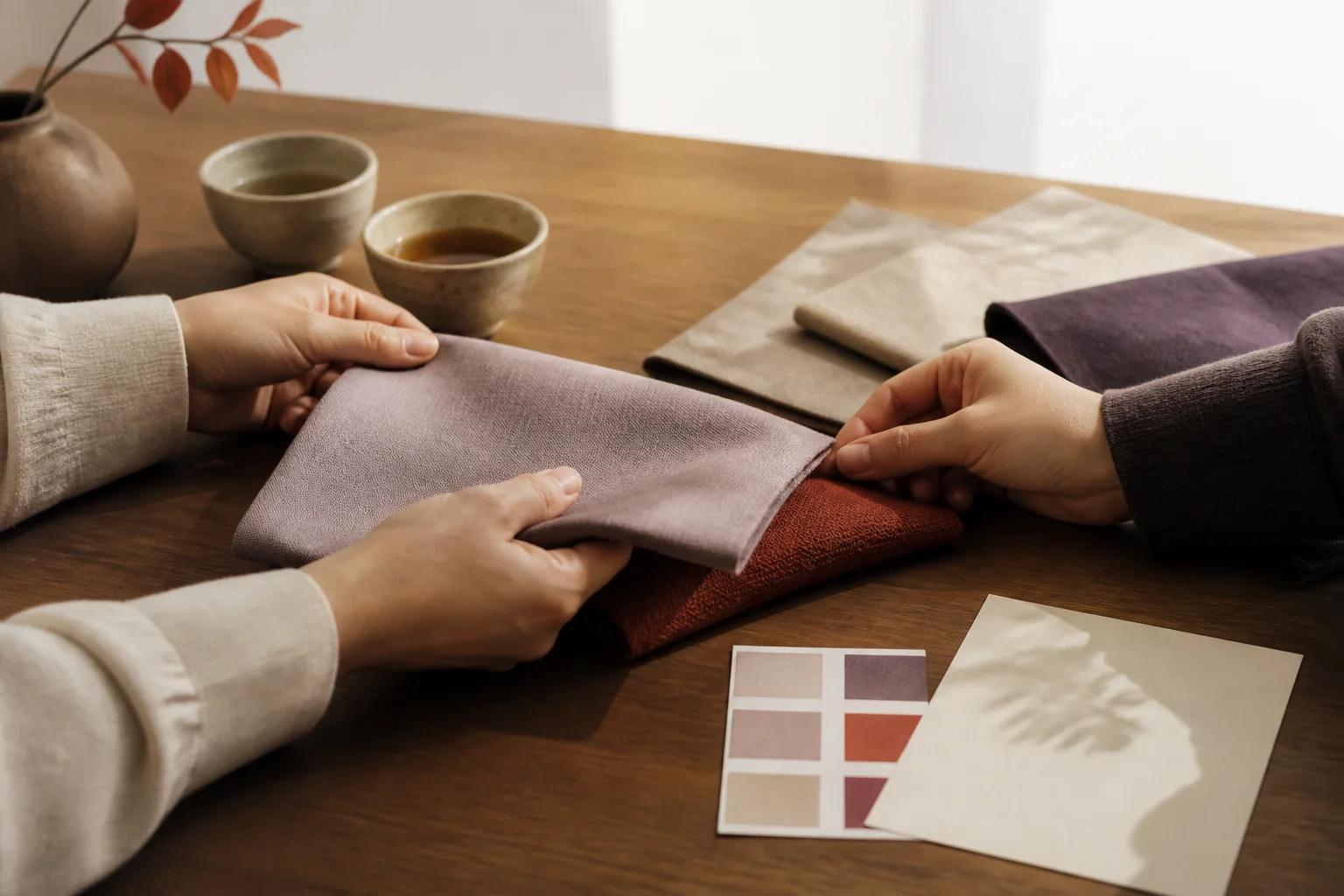
Notice their existing language before you shop. Do they wear warm metal or cool metal? Do they prefer one quiet piece or several visible layers? Are their clothes built from earth tones, dark neutrals, pale colours, or one recurring accent? These observations are more reliable than choosing according to a general idea of what a person should like.
If you can ask directly, ask. A question about colour, wrist fit, or whether they prefer stretch construction is not a failure of surprise. It is a way of respecting the body that will receive the piece. You can still keep the emotional reveal in the note, the timing, or the reason you chose the object.
MEANING AND PREFERENCE
Symbolism is strongest when it meets a preference rather than replacing one.
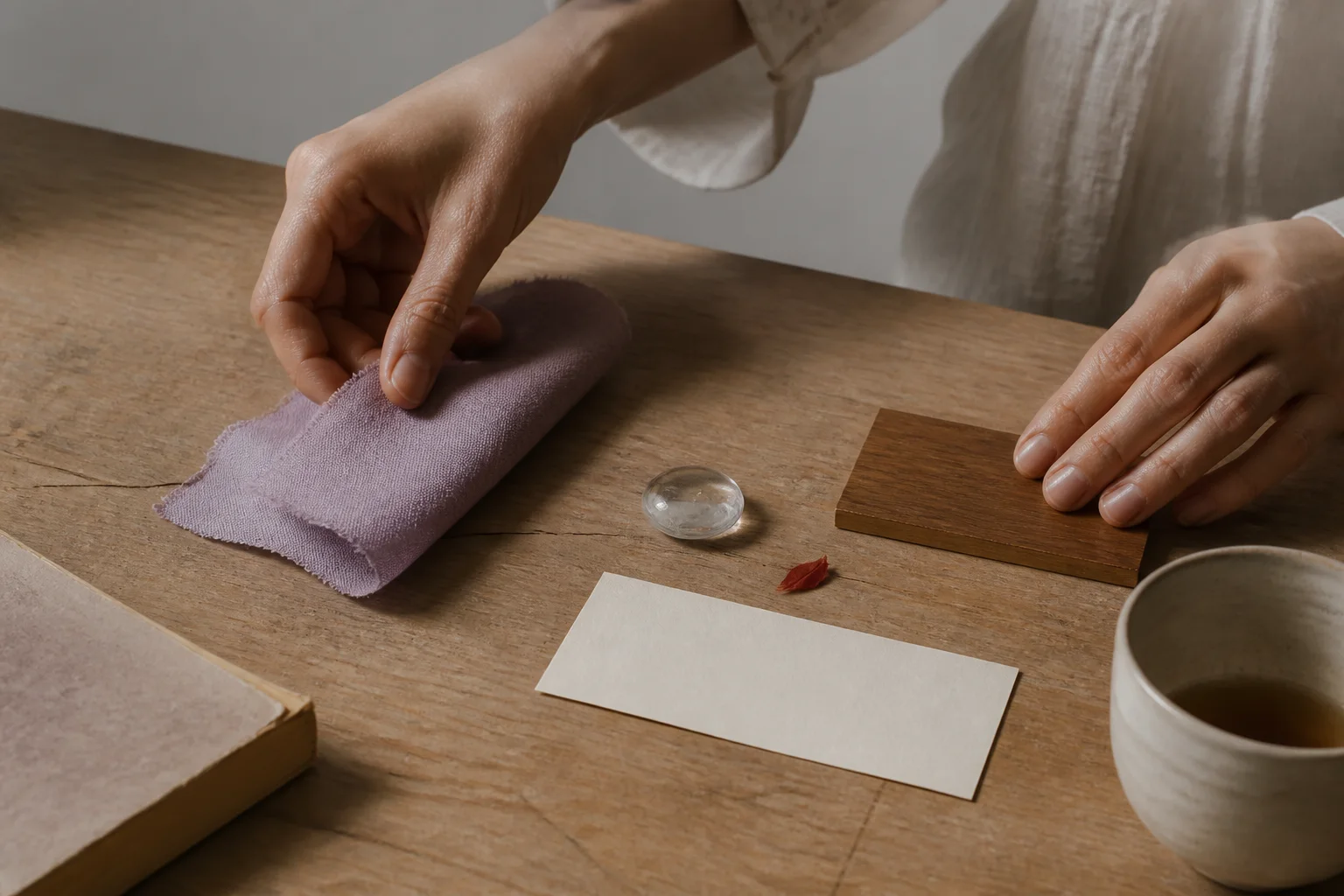
A colour or material can suggest a feeling, but it should not become a diagnosis of the recipient. Violet may remind you of evening, composure, or a private brightness. Clear stone may feel like openness. Warm wood may feel grounded. Those associations can help you form a thoughtful reason, but they cannot tell you what another person needs or what their future will be.
Research on choosing for others often distinguishes between focusing on the relationship and focusing on the recipient's preferences. The practical lesson is simple: let the relationship shape the message, but let the recipient's actual taste shape the object. That balance turns a gift from a performance of knowing into an invitation to be known.
FIT IS CARE
A beautiful gift that is uncomfortable has not finished its work.
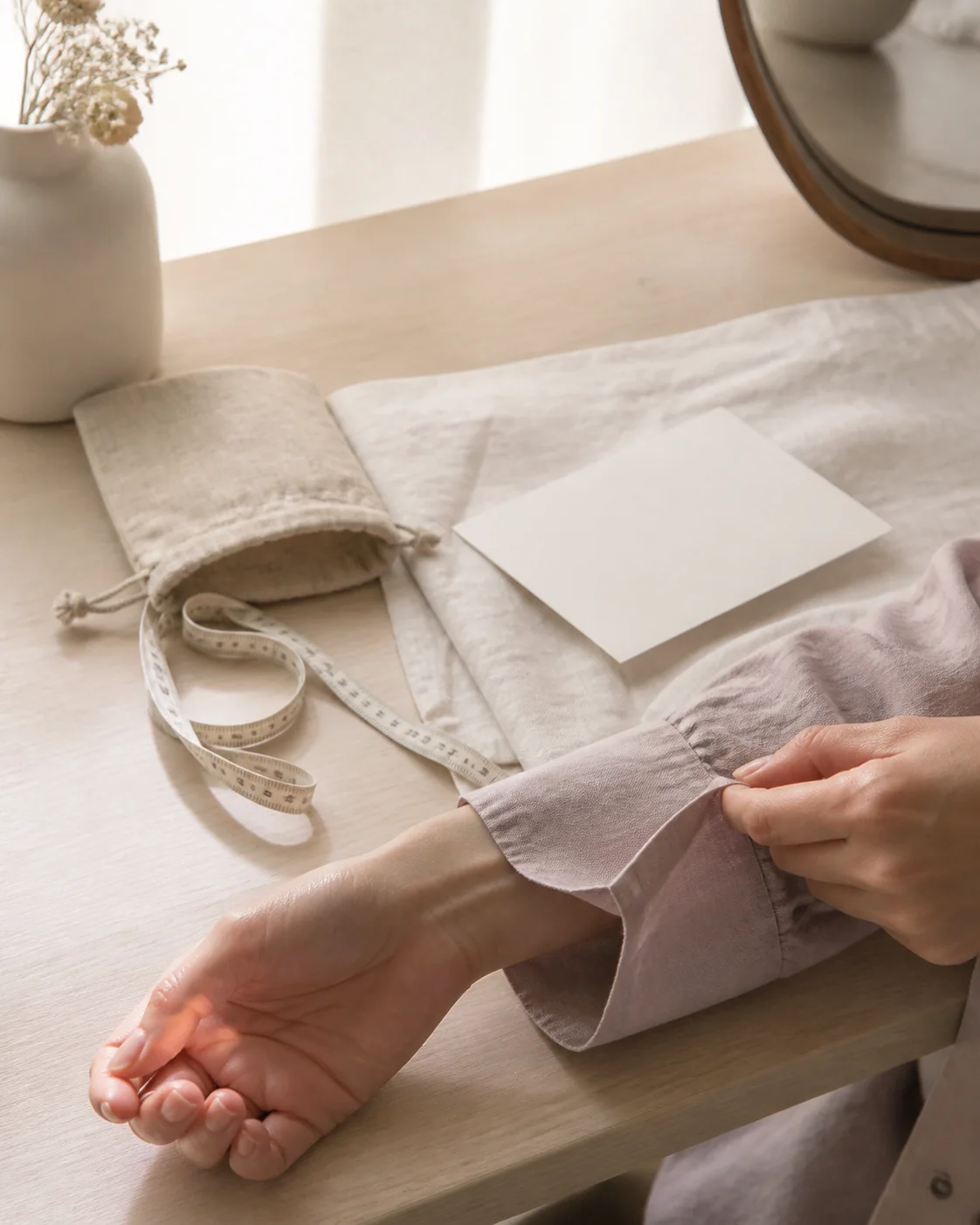
Wrist size, bead scale, weight, closures, and daily habits are part of the emotional design. Think about whether the person works with their hands, types for long hours, travels often, or prefers jewelry they can put on and forget. A stretch bracelet can be generous when you are unsure of an exact size, but the bead size and overall presence should still suit the wearer rather than only the photograph.
Consider care as well. If the recipient has little patience for delicate routines, choose a design whose material story and care needs you can explain clearly. The gift should not create a hidden obligation. It should make wearing it feel easy enough that the meaning has time to grow.
THE NOTE AND THE OBJECT
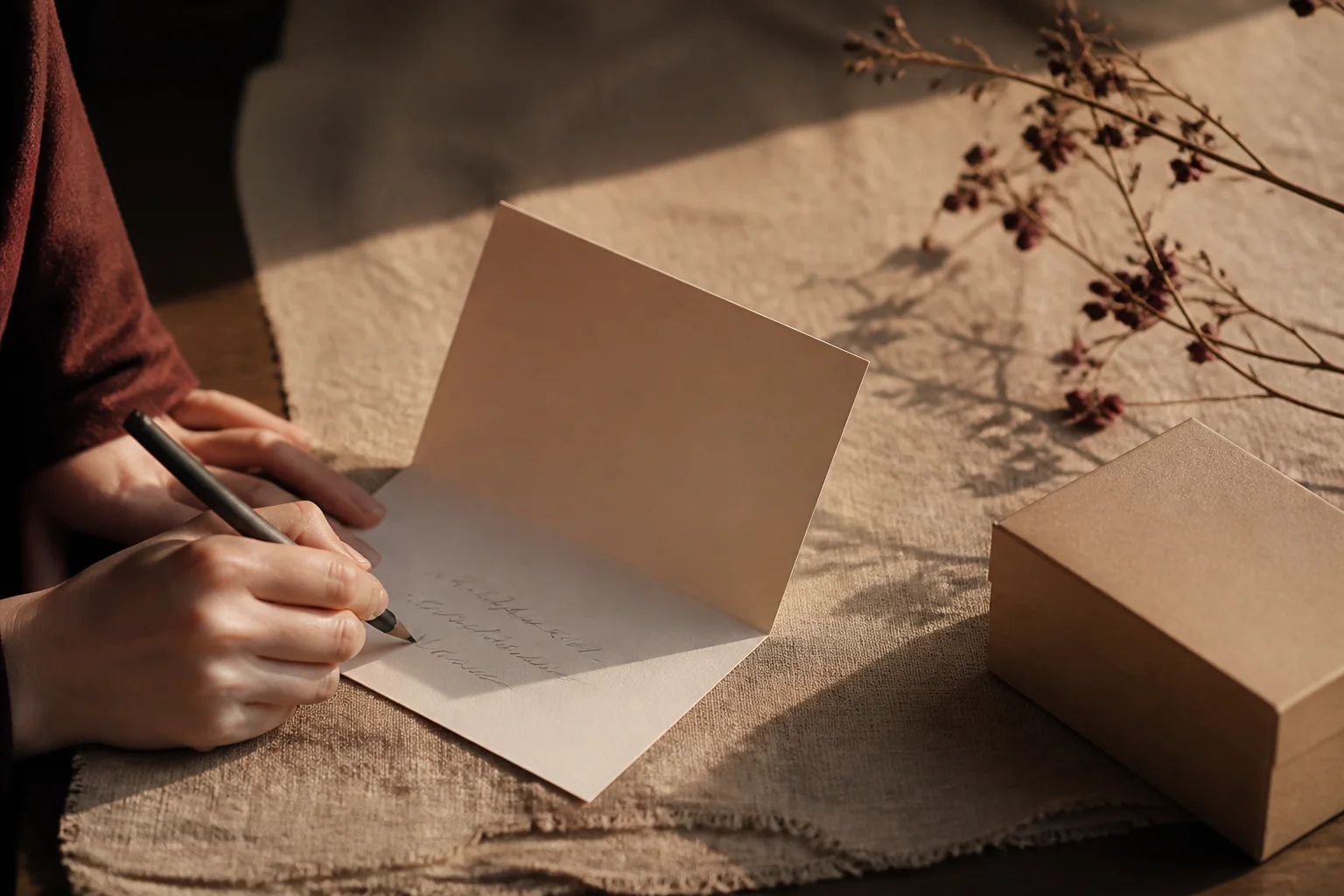
A short note can give the bracelet context without telling the recipient what to feel.
The note does not need to be a grand declaration. Tell them what you noticed, what the material or colour reminded you of, and why the moment seemed worth marking. Keep the sentence specific: for the steadiness you bring to difficult days; for the new room you are making for yourself; for the way you always find the light in a crowded week.
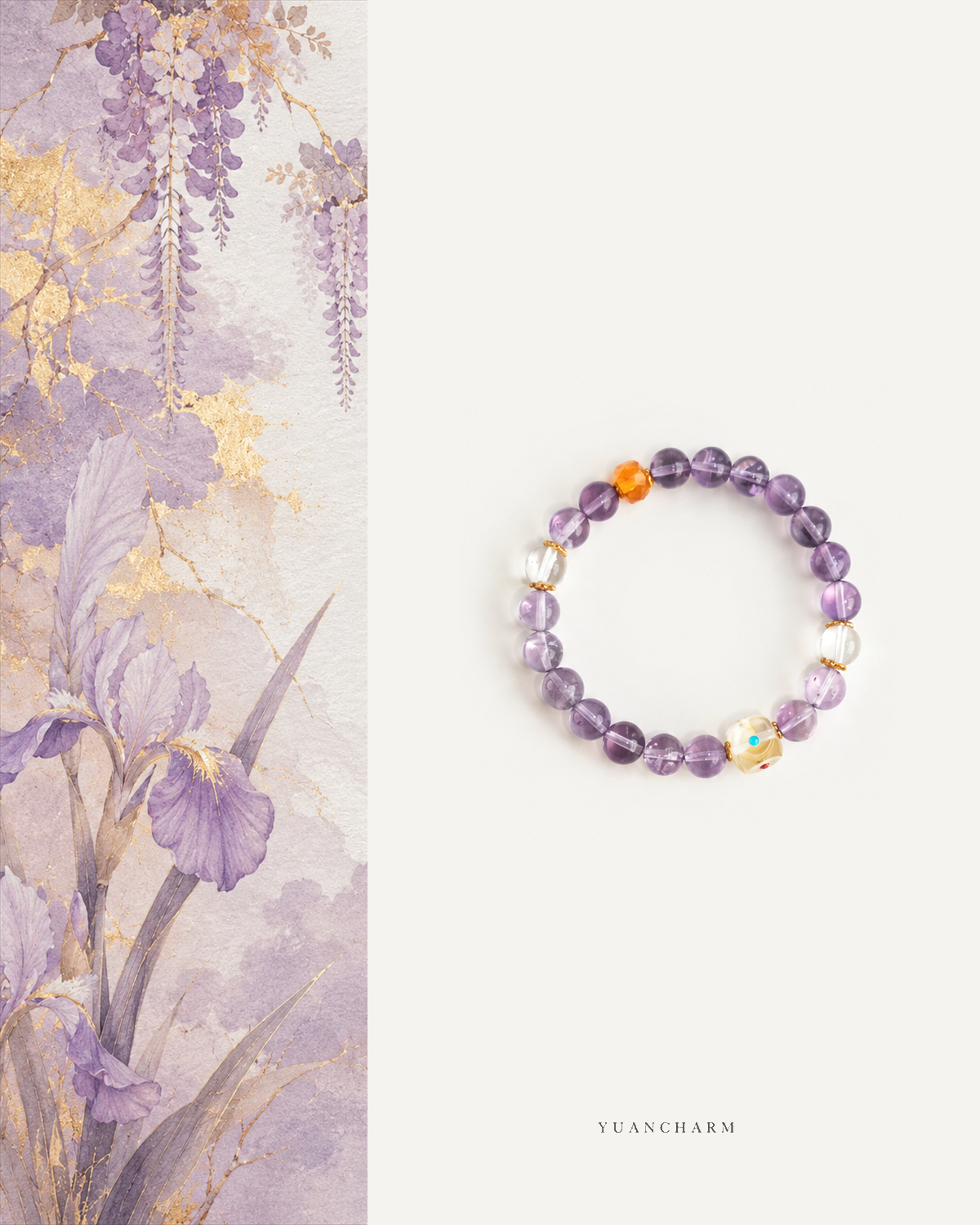
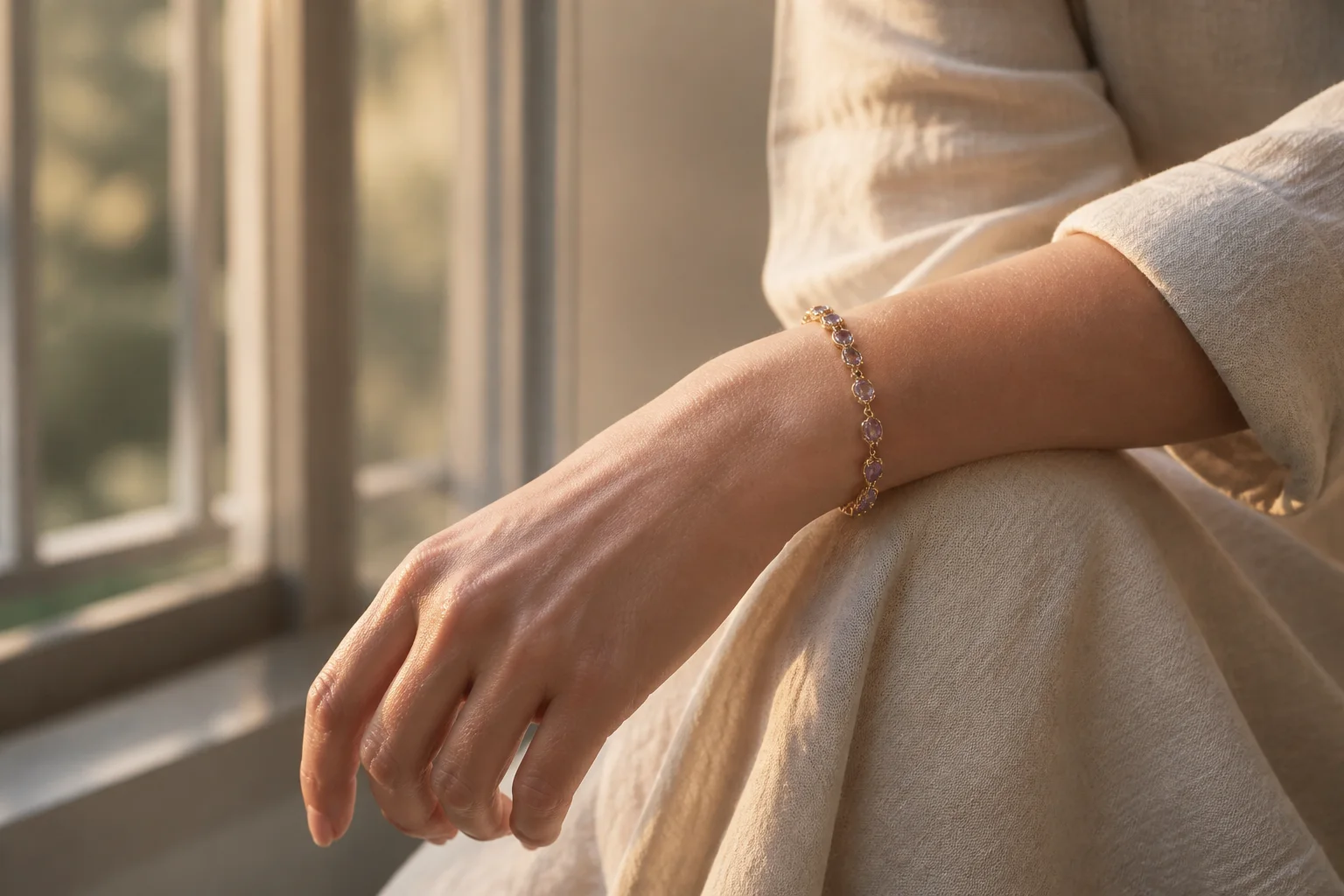
Then let the object stay quiet. Violet Radiance pairs amethyst, clear quartz, citrine, and warm gold-toned detail in a composed bracelet that can read as evening colour, a small light, or simply a beautiful line on the wrist. It gives the note a physical place to land without forcing the recipient to accept one prescribed interpretation.
LEAVE ROOM FOR THEIR STORY
The best response to a meaningful gift is allowed to arrive slowly.
Some gifts are opened with immediate delight. Others become important after the third wear, the first trip, or the day the recipient reaches for them without thinking. Do not measure the value of the gesture only by the reaction at the table. A well-chosen object has a longer timeline. It can collect the ordinary moments that make a relationship real.
If the piece is not right, make exchange or adjustment feel easy. Generosity includes the freedom to choose differently. A gift does not become less loving because the receiver edits it to fit their life. It becomes more honest. Meaning is not complete when the paper comes off; it begins when the object can finally belong to the person who wears it.