DO NOT TURN IT INTO A TEST
A gift is not a personality quiz you have to pass.
Buying for another person can create a strange pressure to be exact. Which colour are they? What do they need more of? Which stone is ‘right’ for their life? Those questions sound caring, but they can turn a generous gesture into a performance of certainty.
A better gift begins with what you already know: how they dress, what textures they reach for, whether they like a piece that whispers or one that holds a room, and whether they enjoy a story attached to what they wear. You are not trying to solve them. You are choosing an object that leaves space for them to answer.
“The recipient should be allowed to finish the meaning.”
CHOOSE A COLOUR LANGUAGE
Colour is a form of memory before it is a claim.
Soft pink may recall a room, a flower, a familiar jumper, or simply the pleasure of a warm colour near the skin. Blue may feel like a clear morning, a favourite shirt, or the calm of a long train ride. Red can be a celebration, a boundary, or a small sign that the giver has paid attention. None of these readings needs to be universal to be true for one person.
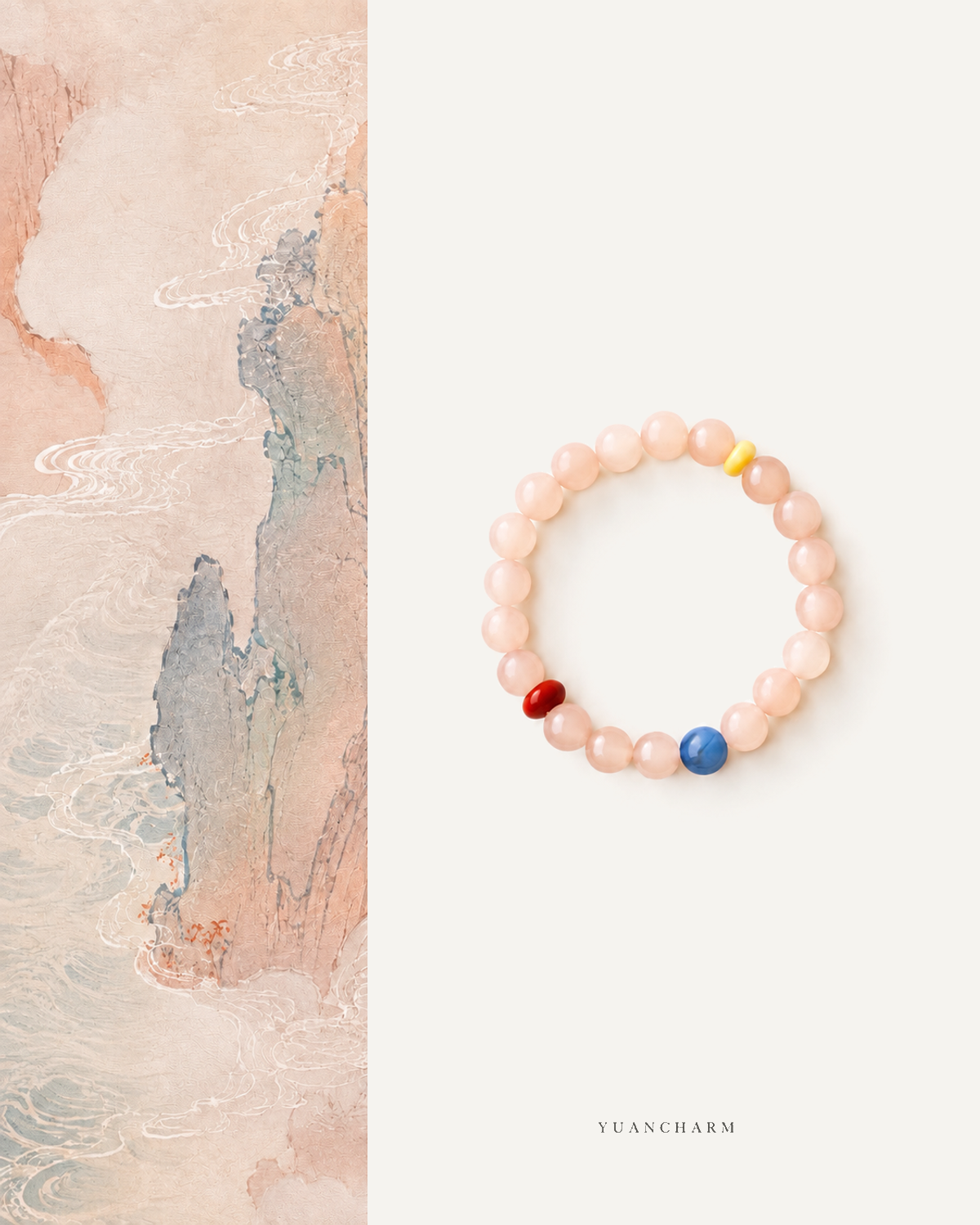
Blossom Reverie uses pale pink beads with blue, red, and golden focal accents. That gives the gift more than one way in. It can feel tender without becoming sentimental, colourful without becoming childish, and personal without requiring a fixed explanation on the card.

THE SMALL CEREMONY
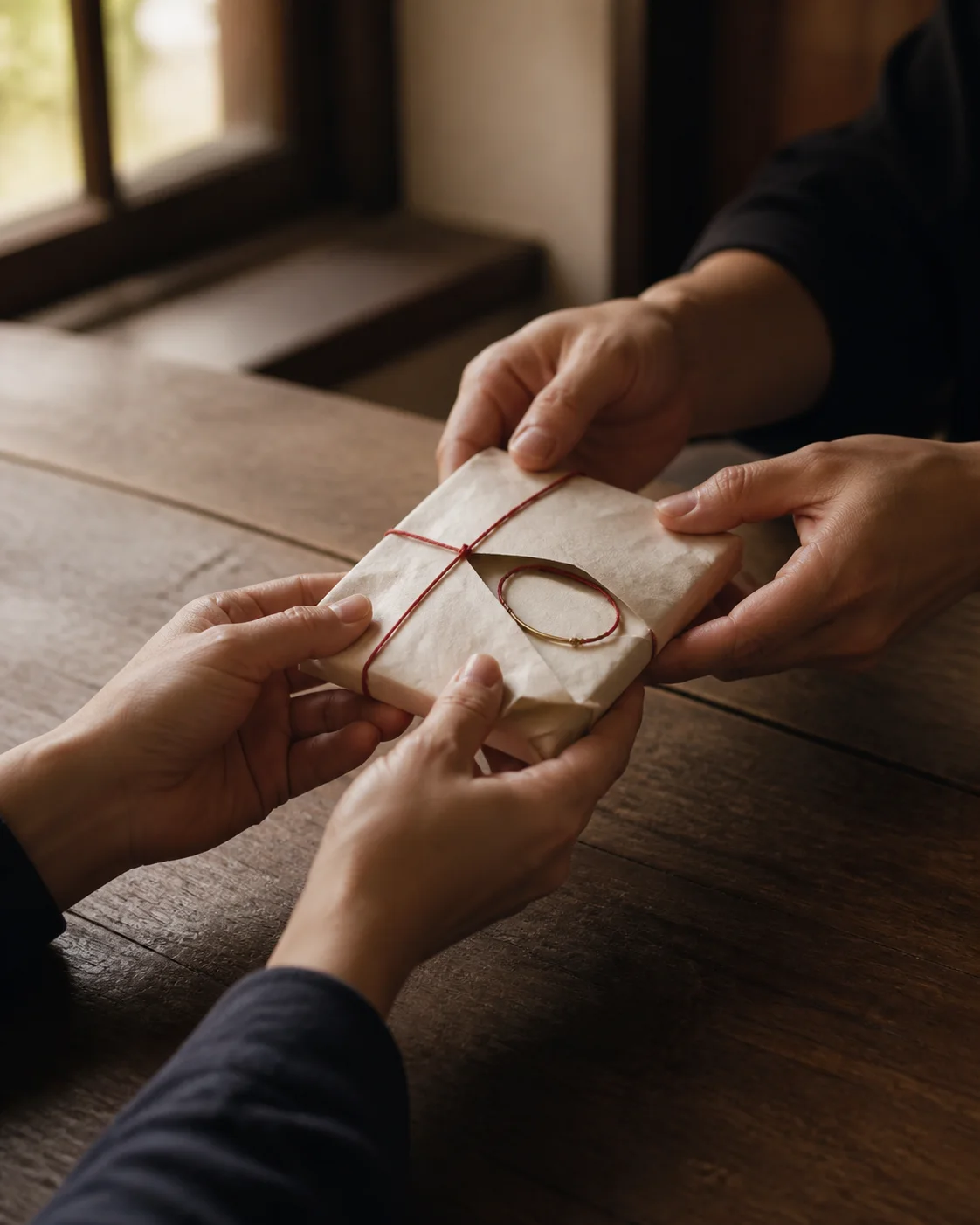
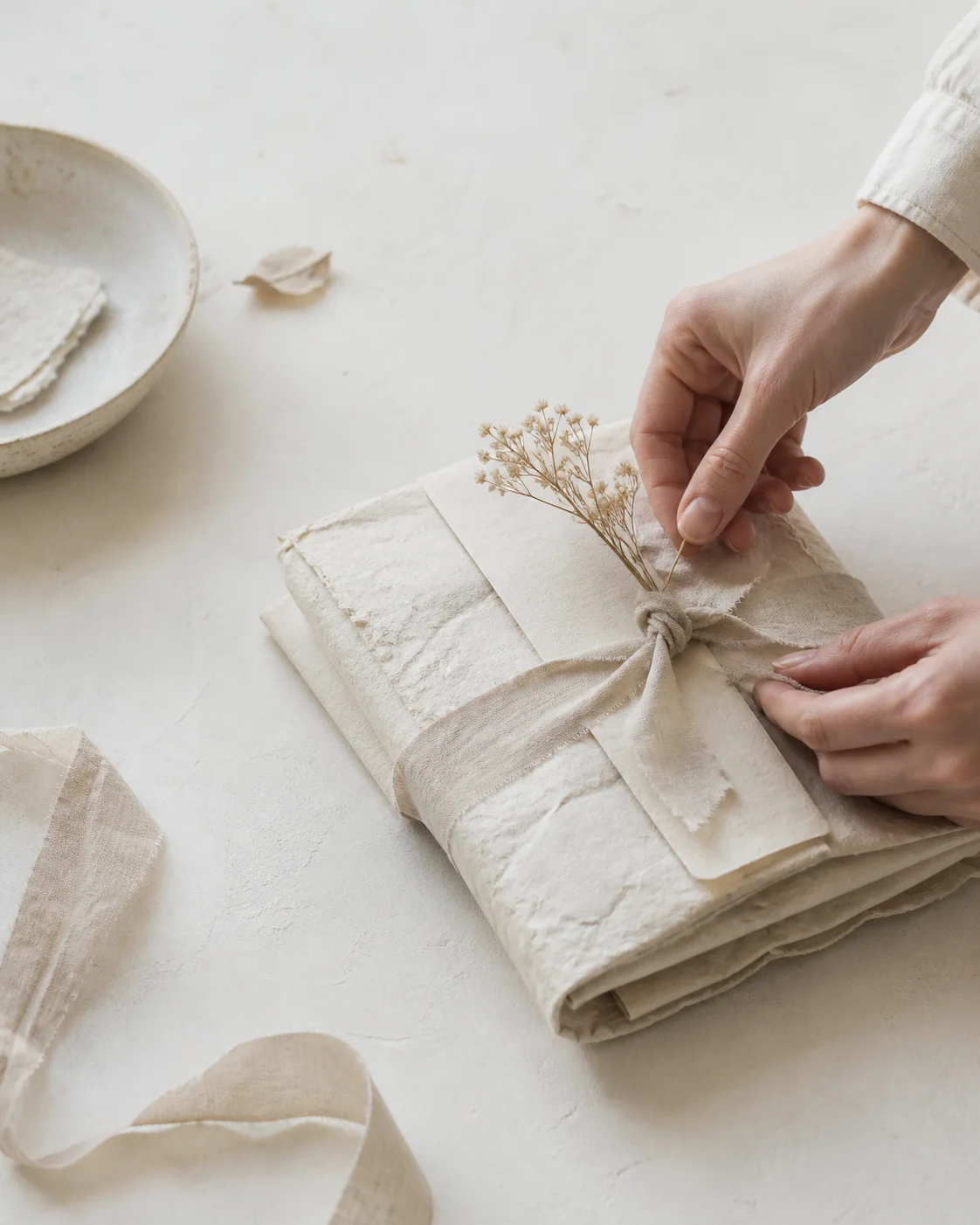
Presentation is part of the message.
A gift does not need elaborate packaging to feel considered. It needs one clear sentence. Write why you noticed the piece: ‘The red detail made me think of your courage’, ‘The colours reminded me of summer’, or ‘I wanted you to have something that could travel with you.’ Specificity creates intimacy without asking the jewelry to make a promise.
If the recipient is new to stretch bracelets, add the practical information they will actually need: how to choose a comfortable fit, when to remove the piece, and where to store it. Care is not an afterthought. It is one of the ways a gift says, ‘I want this to stay with you.’
THE FIT OF THE GESTURE
The most thoughtful size is the one that gives them ease.
When you know the recipient’s wrist size, use it. When you do not, look for a stretch design with clear size guidance, or make the size part of the moment by giving them a simple choice. A bracelet that is beautiful but uncomfortable turns the gift into an obligation. Ease keeps it generous.
Also consider the recipient’s actual life. A larger bead may suit someone who likes a strong focal piece; a lighter silhouette may be better for someone who wears jewelry at work. The ‘best’ gift is not the most elaborate one. It is the one that can enter a real routine without asking the person to change themselves.
“A good gift feels like an invitation, never an instruction.”
AFTER THE WRAPPING
Let the object gather its own history.
The first meaning of a bracelet belongs to the moment it is given. The second meaning arrives later: the day it was worn to a new job, the trip where it appeared in every photograph, the ordinary Tuesday when the recipient reached for it without thinking. Those memories are not part of the product copy. They are what the person makes with it.
This is why a meaningful gift should avoid the language of fate as a fixed outcome. Offer a direction, not a verdict. Say what you see in the piece, then trust the recipient to live into a meaning that may become more interesting than the one you first imagined.
THE WIDER CIRCLE
A gift can keep moving.
YUAN is a word for meaningful connection: not ownership, not obligation, but the feeling of two paths meeting and changing one another. A gift makes that idea tangible. One person notices, another person receives, and the piece begins a new life in a different wardrobe, home, and set of memories.
YUAN TOGETHER extends that circle toward handmade work and human dignity. When a piece is chosen with care, it can hold both the intimacy of the individual gesture and the wider belief that objects are made within communities. That is a generous story to give someone: not ‘this will change you’, but ‘you are part of something worth caring for.’