NOT A VERDICT
The most intimate gift does not announce that it has understood someone completely.
We often describe a good gift as personal, as if the giver has found the exact object that proves they know the recipient. That standard creates unnecessary pressure. A person is not a fixed profile, and a beautiful object can meet a season without defining the whole life around it. The gift becomes more generous when it says: I noticed something, I thought of you, and you are free to decide what this becomes.
Research on gift exchange has long returned to a tension between the giver’s intention and the recipient’s experience. The giver may want surprise, symbolism, or emotional precision. The recipient may need usefulness, choice, timing, or permission to respond honestly. None of those needs cancels the care in the original gesture. It simply reminds us that meaning continues after the ribbon is untied.
“A thoughtful gift opens a door. It does not decide who the other person must be once they walk through it.”
CHOOSE A CLEAR REASON
Choose one reason for the gift, then leave enough quiet around it.
A reason can be simple: marking a new beginning, thanking someone for staying close, wishing them steadiness during a change, or carrying a memory of a shared place. One clear reason is easier to receive than a catalogue of everything you hope the object will repair. Write the reason on the card in ordinary language. Avoid turning the recipient into a diagnosis or the object into a solution.
If the gift has cultural or symbolic references, offer context without requiring agreement. You can say what a red thread has come to mean in your own reading, or why a certain material caught your attention. Then stop. The recipient may keep the reference, reinterpret it, or choose a different meaning entirely. A gift is not less personal because the other person gets to complete it.

FIT IS PART OF CARE
An object cannot become intimate if the practical details make it difficult to live with.
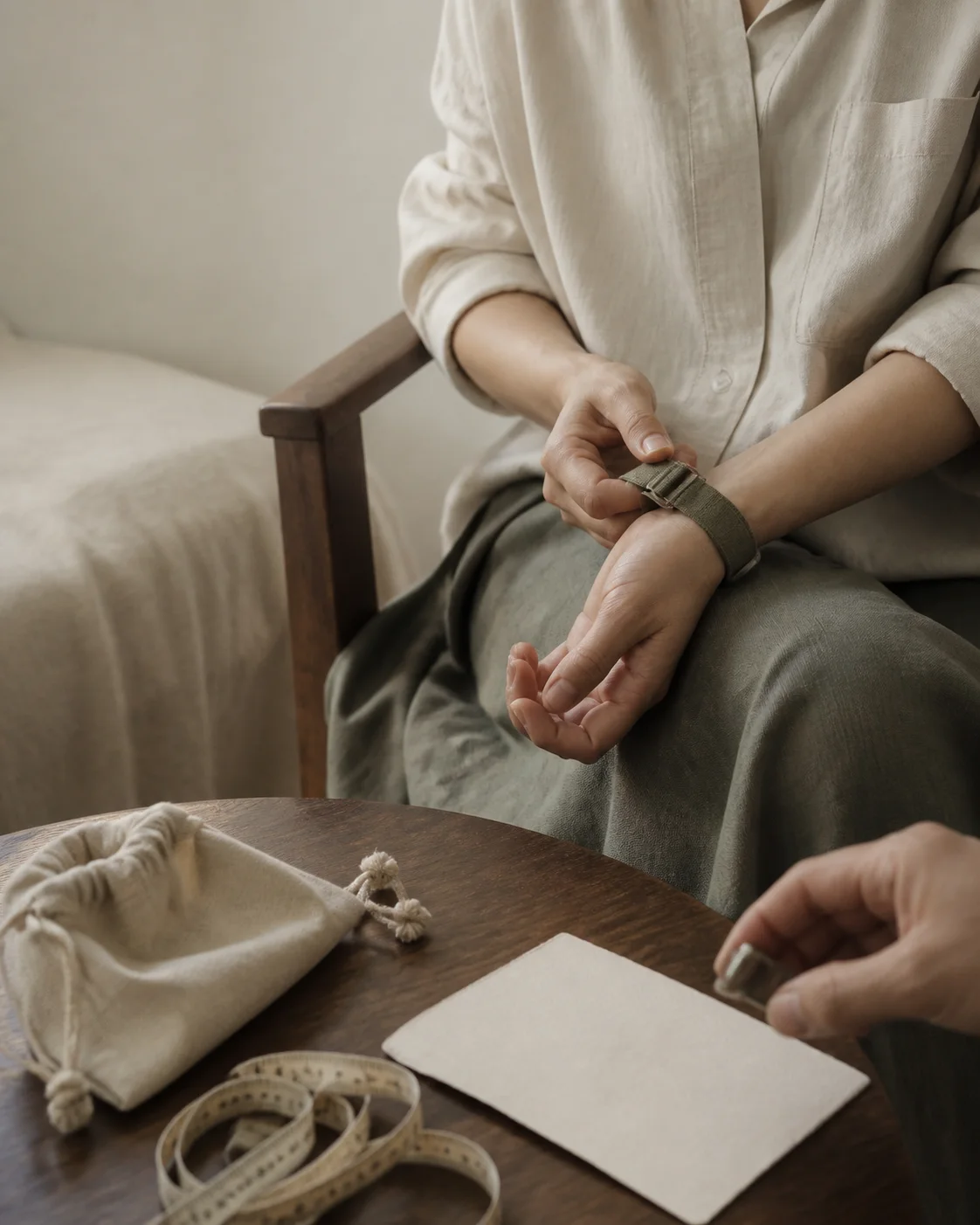
Consider the recipient’s actual routine. Do they prefer light or substantial pieces? Do they work with their hands, travel often, type for long hours, or avoid certain materials? Would a stretch fit be easier than a fixed closure? Is there enough information for them to understand size, care, and what to do if the first choice is not right? These are not unromantic questions. They are how intention meets a body and a schedule.
Do not hide the adjustment path to preserve the surprise. Include the relevant sizing or care note, and make it clear that an exchange or fit conversation is welcome. The recipient should not have to protect the giver’s feelings by tolerating an object that does not work. Practical flexibility protects the relationship from a small mismatch becoming an emotional test.
REVISION IS NOT REJECTION
When a recipient changes the gift, the relationship has not necessarily become less meaningful.
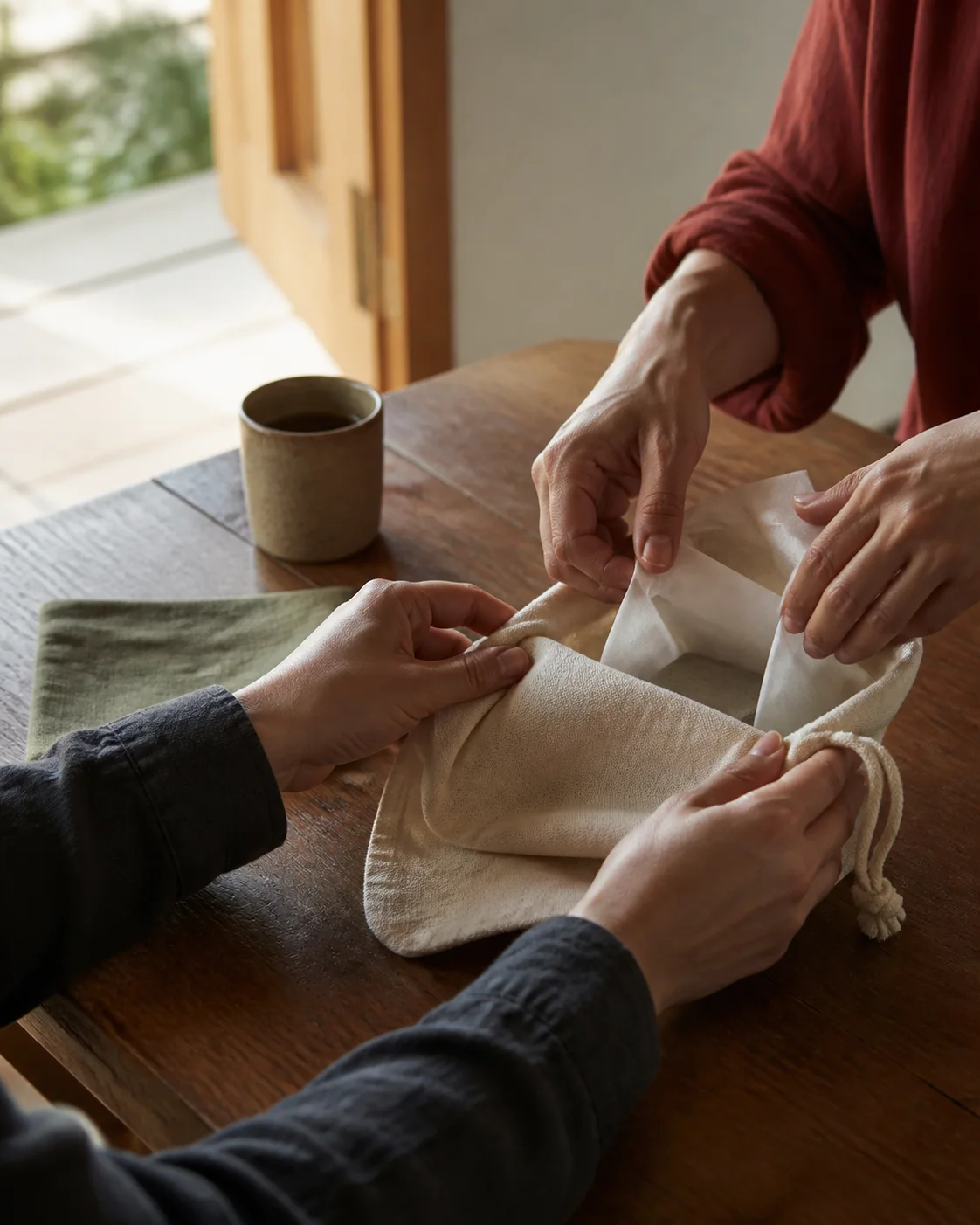
They may choose another size, a different material, or a quieter color. They may keep the card and pass along the object. They may wear it immediately, put it away for later, or decide that the timing is not right. These responses contain information, not a grade of your love. The object is entering a life you do not control, and that is the condition that allows it to become real rather than remain a symbol of your intention.
Respond with a practical sentence before an emotional one. Of course we can adjust it. Take the time you need. What would make it easier to use? A calm response tells the recipient that their agency was part of the gift from the beginning. It also teaches the object a better role: not evidence that the giver was right, but a material invitation to stay connected.
THE SECOND HANDOFF
The gift becomes theirs through the small decisions that happen after the first handoff.
A week later, ask a question that does not demand praise. Does it fit the way you hoped? Is there anything you want to change? Would a different care routine make it easier to keep near? If the recipient has not used it, do not turn the question into a reminder that they owe you a performance. Let the follow-up be an open door, not a second ceremony they have to pass.
There is also a quiet kind of aftercare in how the giver lets the object disappear from the original story. The recipient may pair it with clothes you would not choose, wear it for a reason you did not imagine, or keep it as a private sign with no explanation. That is not the gift losing meaning. It is meaning becoming a shared territory instead of a one-person script.
LEAVE THE DOOR OPEN
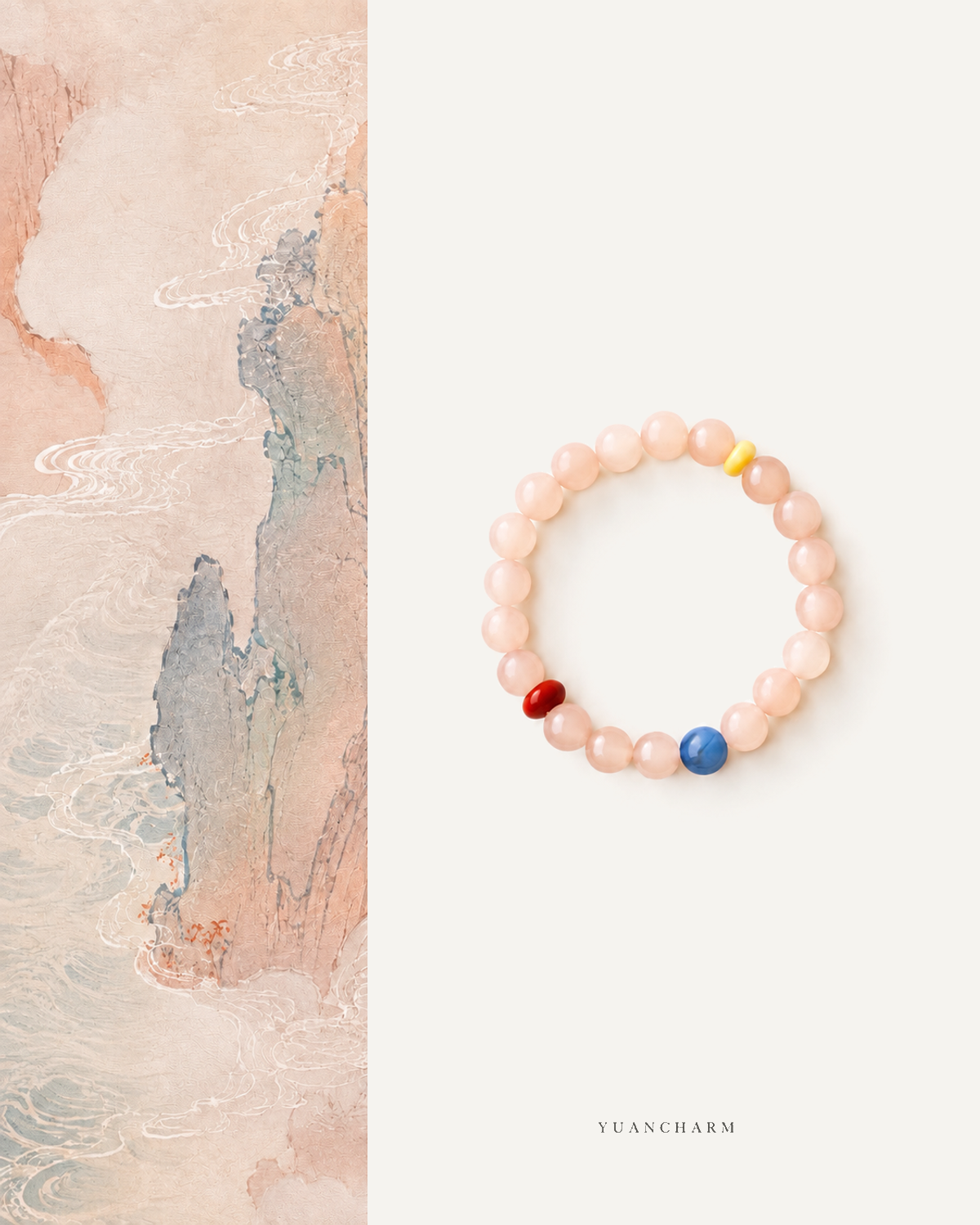
Blossom Reverie offers a soft beginning without asking the recipient to inherit a finished story.
Its soft pink single loop, blue and red focal accents, and small gold details can hold different kinds of affection: a beginning, a reunion, a thank-you, or simply the pleasure of choosing something beautiful for another person. The visual language is present, but it is not prescriptive. The recipient can let the piece become part of their own wardrobe, memory, or daily rhythm.
Write the reason. Include the practical information. Make revision easy. Then let the object leave your hands. The best gift is not the one that receives the most immediate proof. It is the one that remains kind when the other person needs time, a different fit, a different color, or a meaning you could not have invented for them.